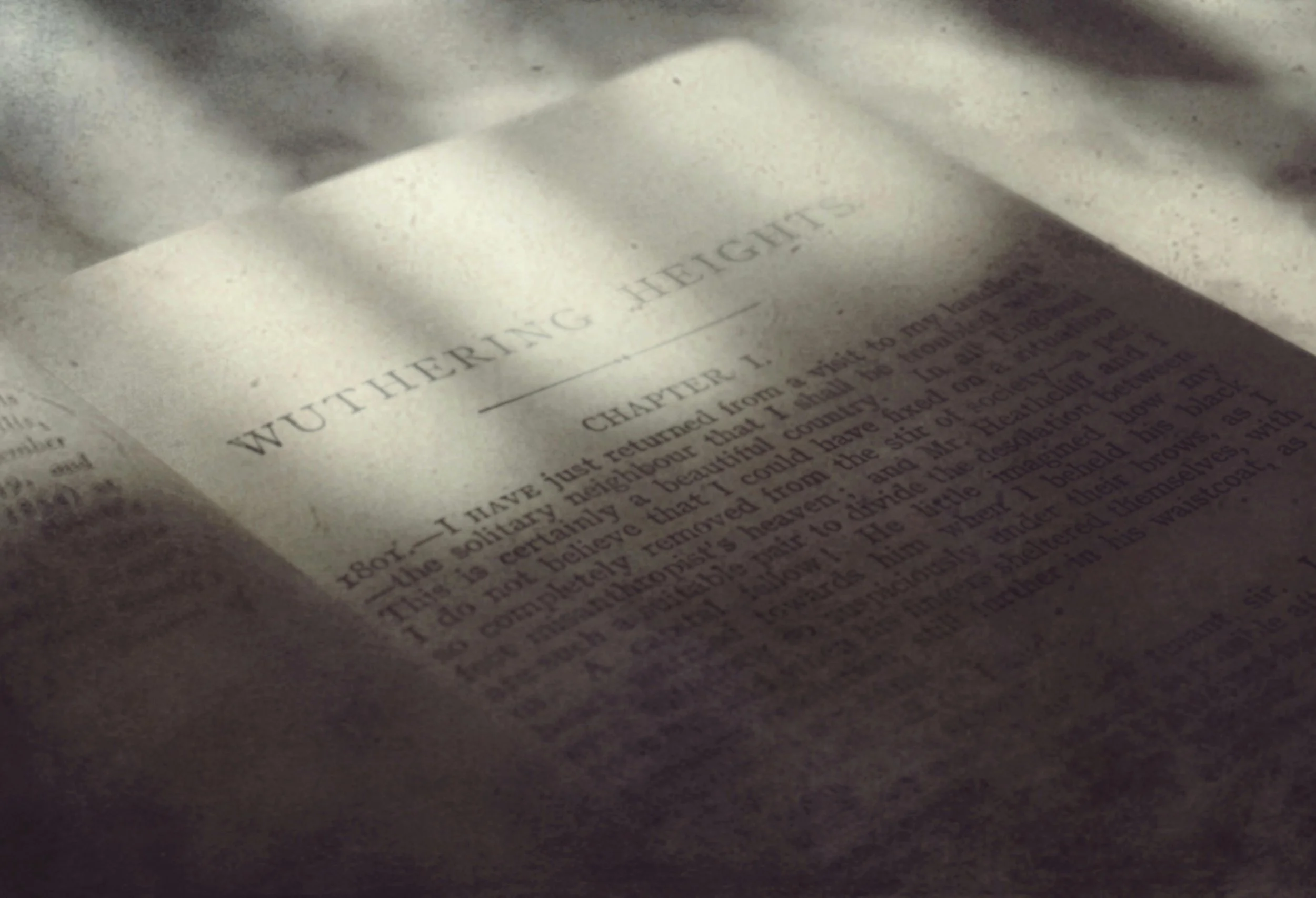
Wuthering Heights: A Love Story Written Into the Land
There is a reason Wuthering Heights keeps returning to us.
Every new adaptation, whispered about long before it appears on screen, reignites the same pull: obsession, longing, wild devotion, and a landscape that feels less like scenery and more like a witness.
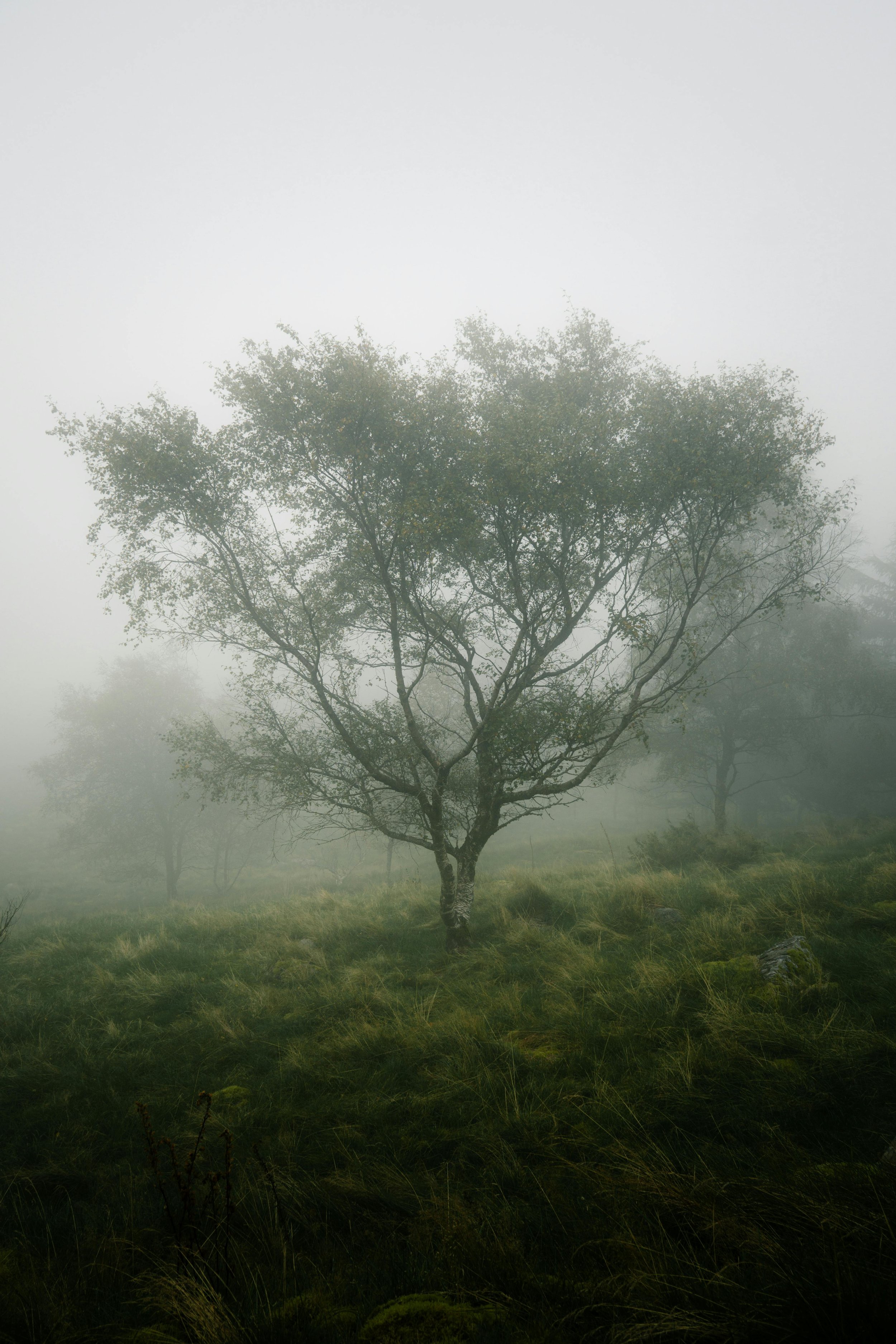
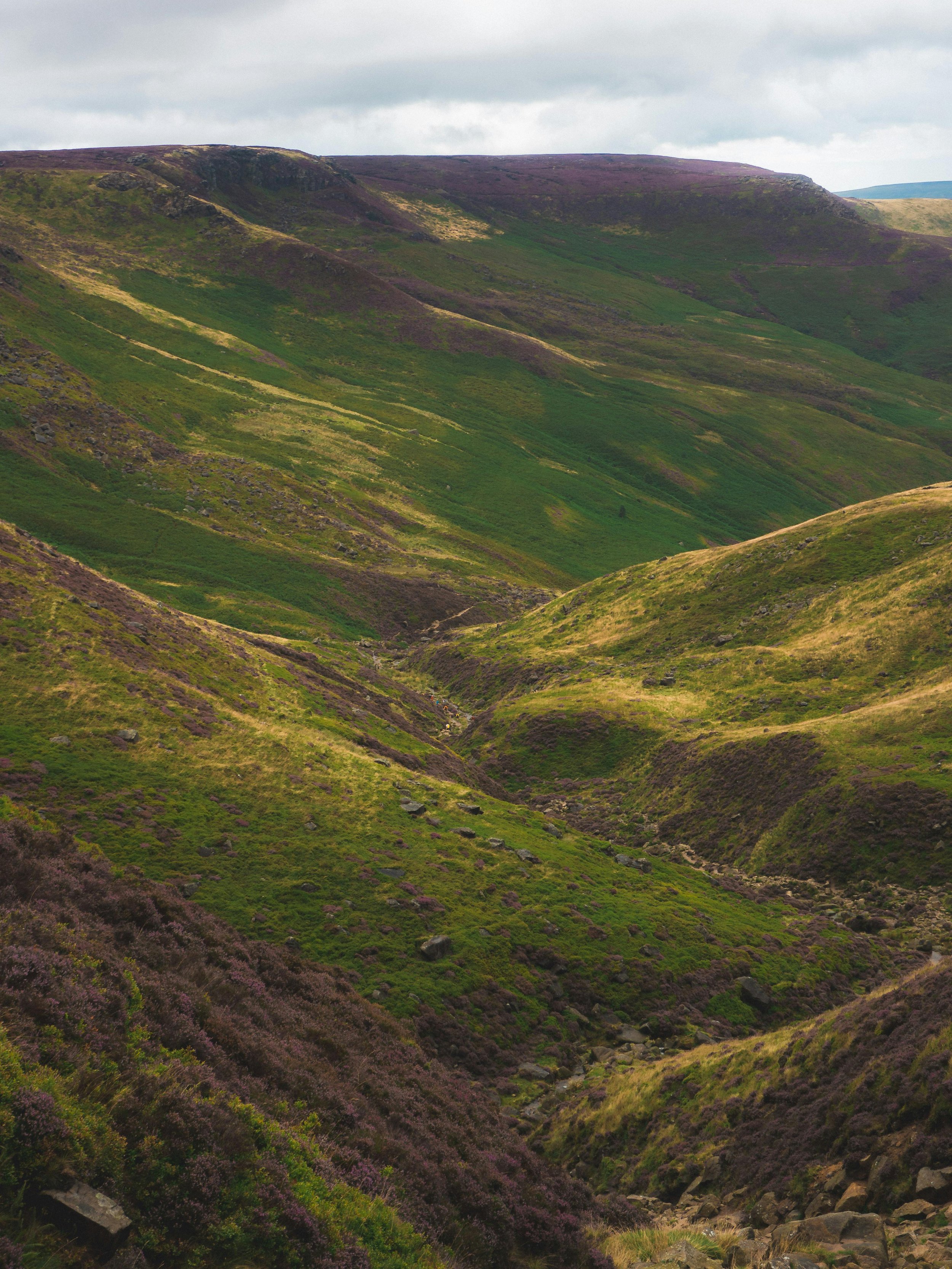
As anticipation builds around the forthcoming interpretation starring Margot Robbie and Jacob Elordi, attention turns once again to the place itself. Not the set. Not the costume. But the moors - vast, exposed, emotionally charged - that shaped both the novel and its enduring romance.
At Ellington, we don’t treat Wuthering Heights as something to be visited. We curate it as an atmosphere to be entered.
Guests are guided through Haworth and out onto the surrounding moorland, where the landscape begins to do what it has always done best: unsettle, soften, and stir something quieter and deeper. This is not a fast walk with facts. It is a slow unfolding - part literary context, part emotional immersion.
Wuthering Heights is not a love story in the comfortable sense. It is restless, consuming, and inseparable from place. That is why the moors matter. And why, when a new adaptation looms, people feel the urge not just to watch - but to go.
Ellington’s role is to translate that feeling into something lived. Quietly curated. Elegantly paced. Never over-explained.
Because some stories don’t need embellishment.
They need space.
Some stories aren’t told. They’re encountered.